Hoombie: A Cute & Trendy Display Font for Crafters
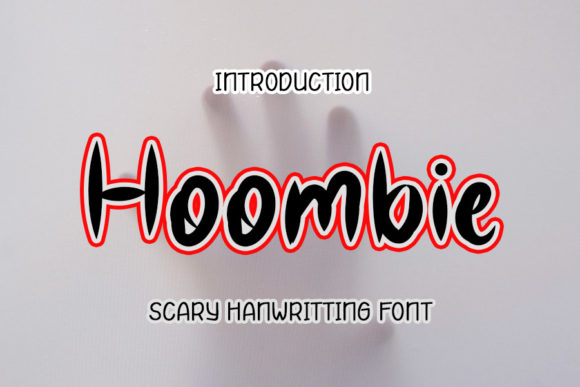
Every now and then, a typeface lands on my screen and I know instantly that it’s going to become a staple in my printable shop. Hoombie is one of those fonts. It’s cute, trendy, and carries a natural rhythm that makes every word feel like it was hand-lettered with care. As a display font, Hoombie is designed to grab attention, but what sets it apart is its versatility across so many handmade products—from delicate sticker sheets to bold wedding welcome boards.
If you sell physical crafts, digital downloads, or custom stationery, you know that the right font can mean the difference between a product that gets scrolled past and one that lands in a customer’s cart. Hoombie has that effortless charm that makes your designs feel personal and polished at the same time. Its unique letter shapes and friendly curves invite people to pause and smile, which is exactly what you want when you’re creating for events, gifts, or home décor. The font’s natural and slightly playful character works seamlessly with the textures and finishes that crafters rely on—from kraft paper and linen to glossy vinyl and frosted glass.
Handmade Projects That Come Alive with Hoombie
The beauty of a display font like Hoombie lies in its ability to adapt to nearly any surface or material you can imagine. It’s not just a pretty set of letters—it’s a creative tool that shapes the entire feel of a product. Here are just a few ways I see this font shining in a creative business:
- Labels and Stickers: For product labels on candles, soaps, or jars, Hoombie gives an instant boutique feel. Its natural flow makes even a simple ingredient list look intentional and stylish. Similarly, sheet stickers for planners or laptop decals benefit from that cute, approachable energy.
- Greeting Cards and Invitations: Whether you design birthday party invites, baby shower cards, or funny holiday postcards, Hoombie creates a warm, festive mood. Pair it with a playful illustration and you have an instant bestseller.
- Wedding Stationery: Brides are drawn to fonts that feel personal and slightly whimsical. Hoombie works beautifully for table numbers, place cards, and welcome signs. Its trendy yet timeless look fits rustic, boho, and even modern minimalist weddings.
- Printable Wall Art: I can already picture a series of nursery prints or kitchen quote signs in my Etsy shop, all set in Hoombie. The font’s character adds heart to phrases like “home sweet home” or “adventure awaits,” making the final print feel like a thoughtful gift rather than mass-produced decor.
- Planner Pages and Digital Downloads: For printable planners, to-do lists, or journaling kits, Hoombie brings a touch of fun to headers and section titles. It keeps your pages from feeling too corporate and instead makes organization look creative.
- Product Packaging and Tags: If you sell physical goods, packaging is an extension of your brand. Hoombie can be used on hang tags, belly bands, or tissue paper stamps to create a cohesive and memorable unboxing experience.
- Apparel and Promotional Items: T-shirts, tote bags, and mugs often rely on clever sayings. When you cut Hoombie with a Cricut or Silhouette machine and apply it to a surface using heat transfer vinyl, the results are instantly marketable. The font is bold enough to be seen across a room, yet soft enough to feel friendly.
- Seasonal Crafts: From Christmas ornaments to Halloween treat bags, each season brings new opportunities. Hoombie can dress up your holiday products with a playful, handcrafted look that shoppers love.
The Emotional Pull of the Right Typeface
As handmade sellers, we don’t just sell objects—we sell feelings. A font like Hoombie communicates warmth, creativity, and care before a customer even reads the words. When you use it consistently across your packaging, website banners, and social media graphics, you build a visual identity that shoppers begin to recognize and trust. That kind of brand consistency is subtle but powerful; it tells customers that you’ve put thought into every detail of their experience.
Think about a candle label set in a generic default font versus one set in Hoombie. The second option immediately suggests a premium, small‑batch product, even if the candle itself is identical. This perceived quality can justify a higher price point and encourage repeat purchases. The same logic applies to wedding invitations or greeting cards—when a client picks up a sample and sees a beautifully chosen display font, they feel the emotion of the event before it has even begun. Over time, that emotional connection becomes a key part of your brand’s reputation, and a single typeface can anchor that entire relationship.
Practical Readability for Craft and Cutting Machines
No matter how pretty a font looks on screen, it has to perform in the real world. With Hoombie, the good news is that its letterforms are distinct and clear, which makes it a solid choice for print‑and‑cut projects. Here are a few things I keep in mind when using any display font—including Hoombie—for physical crafts:
- Size Matters: Because display typefaces are often more decorative, they need a little extra breathing room. For sticker text smaller than about half an inch, test cut a sample first. The thicker strokes will hold up better than ultra‑thin scripts, but if your design includes intricate swashes, just make sure they don’t become too delicate at reduced sizes.
- Cutting Machines Like Cricut and Silhouette: When you weld text in design software, smooth curves and clean intersections are critical for a seamless cut. Hoombie’s natural flow typically translates well to vinyl, but always use a light grip mat and a sharp blade to avoid snagging on complex shapes. I like to add a slight offset to my text before cutting stickers, just to give each letter a tiny border of color—that extra space makes weeding faster and the final result more professional.
- Printed Cards and Labels: On coated or matte paper, Hoombie’s personality really shines. The ink or toner coverage is even, and the letters remain legible even under the slight blur that can happen with some home printers. For packaging tags that might be handled a lot, consider applying a clear protective spray or laminate to preserve the crispness.
- Mockup Previews: Before listing a product, I always create realistic mockups. Seeing Hoombie on a staged envelope or a flat‑lay photo can reveal whether the text needs to be bolder, lighter, or repositioned. It’s a small step that prevents a lot of customer disappointment later.
Pairing Hoombie with Other Fonts
A display font rarely works alone; most designs need a supporting typeface for body copy or secondary details. With Hoombie, you have a lot of room to play. Its personality is cheerful but not overly childish, so it can sit gracefully next to many different styles.
One of my favorite combinations is to pair Hoombie with a clean sans serif like a modern geometric font. Use Hoombie for the main headline or name, then set the date, location, or product description in the sans serif. The contrast between the playful letterforms and the straightforward sans creates a balanced, contemporary look that works for wedding boards, price tags, and even logo designs.
If you want something more elegant, try pairing Hoombie with a delicate script or handwritten font. For instance, on a birth announcement, let baby’s name shine in Hoombie while the details flow beneath in a light italic script. This combination feels tender and intentional, perfect for keepsake items.
On the bolder side, a simple serif font can ground Hoombie’s whimsy. A chunky serif with small caps can act as a secondary heading, creating a vintage or farmhouse vibe that sellers of home décor signs will love. The key is to keep the competing font restrained—let Hoombie carry the visual melody, and choose a supporting font that hums quietly in the background. These thoughtful font pairings not only elevate the design but also reinforce your brand’s unique aesthetic across every product you create.
Getting to Know the Character Set
Before I dive into any font for commercial projects, I open up a glyph panel and see what surprises are waiting. Hoombie includes a range of features that make it feel more like a custom‑lettering job than a simple typeface. Many display fonts in this category offer:
- Alternate characters: Multiple versions of the same letter let you mix and match so that no two words look exactly the same. This is a game‑changer for product names where you want a truly unique, hand‑lettered appearance.
- Ligatures: Special joined pairs that smooth out awkward connections and add a natural, cursive‑like flow. When you’re designing a long title or a decorative heading, ligatures make the text look more organic.
- Swashes and flourishes: Extended strokes at the beginning or end of words can add an elegant touch to wedding signage or a playful tail to a greeting card sentiment. Use them sparingly to highlight just a few key words.
- File formats: Typically, you’ll receive OTF and TTF files, which work in most design programs like Adobe Illustrator, Photoshop, Affinity Designer, Cricut Design Space, and even free tools like Canva. The OTF format often includes advanced features like the alternates and ligatures I mentioned.
- Multilingual support: If you ship internationally or serve diverse clients, check that Hoombie includes accented characters and special glyphs. A display font with extensive language support opens doors to a wider customer base without sacrificing style.
Commercial Use for Handmade Sellers
One thing I never skip is the license fine print, and I encourage every maker to do the same. The good news is that most independent font designers understand small business needs and offer a standard commercial license that covers physical products, digital downloads, and templates. Before you list a t‑shirt, printable, or SVG design, confirm that your Hoombie license allows for sale on platforms like Etsy or your own website.
Some licenses have caps on the number of units you can sell, while others are unlimited. If you plan to use Hoombie for client work—say, designing a logo for a local bakery—make sure your license permits extended commercial use. Transferring the font itself to a client is usually not allowed, but using it to create a final graphic or product is standard. When in doubt, reach out to the font creator; they’re often more than happy to clarify and may offer a flexible upgrade if needed.
Remember that a well‑chosen font is an investment in your brand. Every product you ship with Hoombie’s charming type adds to your shop’s cohesive identity, making it easier for customers to recognize you across marketplaces, social media, and in person. That kind of consistency is priceless when you’re building a handmade business from the ground up—and it all starts with a single, beautiful typeface that fits your vision perfectly.